 |
| I wear these in my dreams |
I am grateful to all of you collagen-normal people
who hang on with me, supporting my blog and getting the word out to those of us
who are collagen-challenged. I have tried to pick subjects with Universal
appeal, and this one is no exception. I'm the canary
in the mine: what kills me, will eventually hurt you.
One of the first problems I had as a young adult, misdiagnosed
with “fibromyalgia,” was debilitating back pain. I was a 20 year old Nursing
student, and I could barely make it through clinicals. I went to a pain
specialist, who told me there was no medication he could give me that would help
my chronic pain, not even narcotics. I would have to just learn to live with it (This has profoundly shaped my life. We’re going to talk about his later
on…). He noted my very tight hamstrings, and gave me a TENS unit for pain
control during my hospital shifts, which was really effective, and helped me
move normally. But that was it: no referral to PT, no mention of lumbar support,
or abdominal weakness, and not one mention of the shoes I was wearing. How far I
have come since then.
80% of Americans will suffer from back pain in their
life, and according to most sources, the causes are poor posture, lack of
exercise, excessive sitting, poor diet, and bad footwear.
The reason why I am
here with you today, is Jennifer, my physical therapist, met me at a party. I was
wearing ridiculous footwear (Earth shoes. Don’t buy them). I was sent to a
“healthy foot store” by a chiropractor, and the sales people
talked me into uncomfortable, expensive sandals that were not at all appropriate for my suspected
condition. Jen asked me why I was wearing them, and the rest is herstory…But until then, I had been living in UGGS and flip flops, with the occasional
heels for special occasions. And why wouldn’t I? I had been to countless
specialists for 20 years: pain doctors, physical therapists, chiropractors,
massage therapists, internists, orthopedists, and not one of them ever asked me what I was wearing on my feet or taught me what to wear. But even if they
had, I’m not sure I would have listened. I’m a funky girl, and the “orthopedic
shoes” of yore would have turned me off immediately. Fashion was always very important
to me. It wasn’t until Motherhood sucked the life out of me, and I spent five
years in yoga pants, that I had lost so much of my personal identity, I was
ready to move into a look that was more responsible and fitting of my new, uh, lifestyle.
 |
| Which one are you? |
But have no fear! In many ways Fashion has gotten more responsible, and we have much better choices now. I am happy to report that I have still got it (snap!). I am
on a mission to find funky, healthy shoes and accessories, because I have
learned that limping for three days is not attractive. I have also discovered
that by doing the things I need to do to take care of my body, I look better than I did in my 20s. Eating right keeps me thin. Doing my ab exercises, which strengthens my back,
gives me a tight, flat stomach. I may be the weirdo with the skull fanny pack,
but I look pretty damn good in a bikini at age 41!
True health is true beauty,
and that’s what I never knew back then. I now see the fashionistas shuffling
through the mall in their UGGS and flip flops, with their sagging ankles, and
cankles (really, those shoes do nothing for our legs, ladies), and I cringe not
only from an aesthetic point of view, but also as the Ghost of Chiropractic
Future, knowing what is in store for them.
Do you have foot pain? Jen says foot and ankle pain of any kind is not normal, not even when we get out of bed in the morning. If you change your shoes to a "healthier" version and continue to have pain, you may need to use an orthotic or insert. Try an over the counter insert first, Super Feet or Lynco which also has children's sizes (you want to get one with a posted heel and arch support). If pain continues, you might need a custom orthotic made, but not all custom orthotics are created equal, she cautions. It depends on the lab where they are created. Want to know more about that? Ask her!
 |
| Ditch the UGGS: try these instead |
Do you have foot pain? Jen says foot and ankle pain of any kind is not normal, not even when we get out of bed in the morning. If you change your shoes to a "healthier" version and continue to have pain, you may need to use an orthotic or insert. Try an over the counter insert first, Super Feet or Lynco which also has children's sizes (you want to get one with a posted heel and arch support). If pain continues, you might need a custom orthotic made, but not all custom orthotics are created equal, she cautions. It depends on the lab where they are created. Want to know more about that? Ask her!
So here is the Malleable Mom’s guide to picking good
footwear, based on my research, and awesome medical team.
- Has arch support built in
- Cannot easily be bent in half or twisted side to side
- Holds your heel (not a slip on)
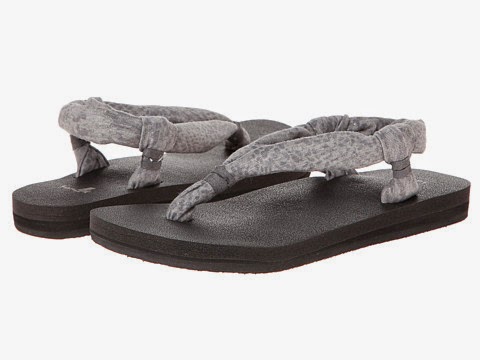
This flip flop won't flop - Could snugly hold an orthotic (not a slipper shoe where it would slide around inside)
- Absorbs shock: doesn't have a flat or flimsy sole
- Bends at the ball of your foot only
If you want to wear a heel, choose a platform so the slops of the heel is not severe. If you have a high arch, and you naturally pronate (feet turn in), a wege shoe will correct you. But, wear it for short periods of time, like an evening out, not all day, or for times when you will do a lot of walking. For example, to replace my beloved gold sparkly heels, I got these:

So go through your closet, run the test on what you own, and then use this as an excuse to go shopping keeping the new rules in mind. Let's teach our daughters that their health is more important than fashion trends, and that they can still look good and feel good.
 |
| Get these from Clarks |


.JPG)
.JPG)